








Description
What Is MOTS-C Peptide?
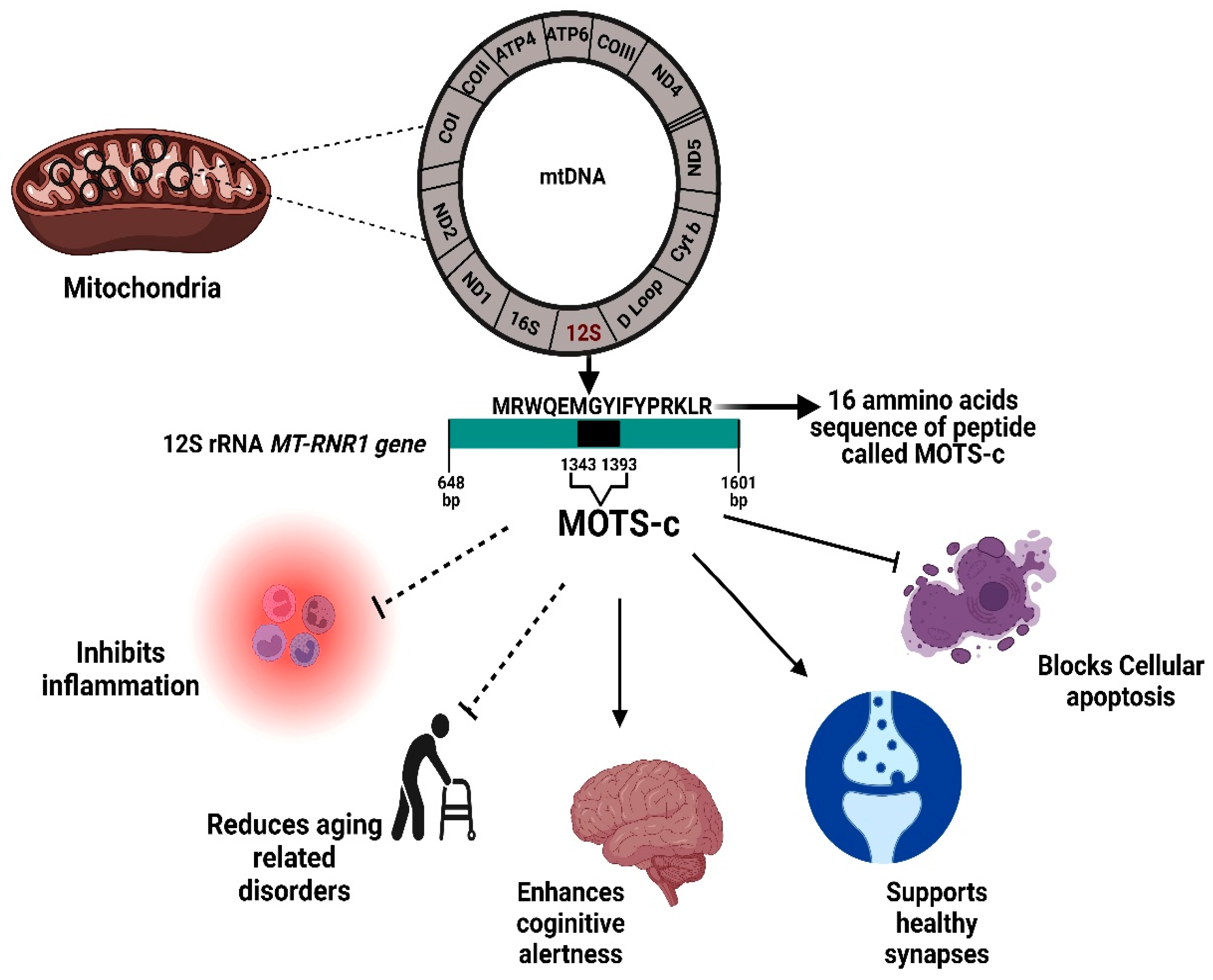

MOTS-C peptide is a bioactive peptide derived from mitochondrial DNA, making it unique among peptides studied in metabolic and cellular health. Unlike traditional peptides that originate from nuclear DNA, MOTS-C is produced inside the mitochondria—the energy center of the cell.
Researchers have shown interest in MOTS-C due to its role in metabolic regulation, cellular stress response, and energy balance, positioning it as one of the most promising mitochondrial peptides currently being studied.
How Does MOTS-C Peptide Work?
MOTS-C peptide works by interacting with cellular signaling pathways involved in:
-
Energy production
-
Glucose metabolism
-
Cellular stress adaptation
-
Mitochondrial communication with the nucleus
Under metabolic stress, MOTS-C can move from the mitochondria into the nucleus, where it helps regulate gene expression related to metabolism and cellular protection.
This unique mechanism is why MOTS-C is often described as a metabolism-supporting peptide.
Potential Benefits of MOTS-C Peptide
While research is ongoing, studies suggest MOTS-C peptide may support:
Metabolic Health
MOTS-C has been linked to improved insulin sensitivity and glucose utilization in research settings.
Energy Balance
Because it originates in mitochondria, MOTS-C plays a role in cellular energy regulation and efficiency.
Cellular Stress Response
MOTS-C may help cells adapt to metabolic and oxidative stress by influencing protective pathways.
Mitochondrial Function
As a mitochondrial peptide, MOTS-C supports communication between mitochondria and the nucleus, which is essential for cellular health.
⚠️ Note: MOTS-C is still under scientific investigation and is not approved to diagnose, treat, or cure diseases.
MOTS-C Peptide Research Overview
Scientific interest in MOTS-C peptide continues to grow due to its connection to:
-
Mitochondrial signaling
-
Age-related metabolic changes
-
Exercise-related metabolic adaptation
-
Cellular resilience
Preclinical studies have highlighted its potential role in metabolic regulation, making it a frequent topic in peptide and longevity research discussions.
MOTS-C Peptide Dosage (Research Context)
There is no officially established dosage for MOTS-C peptide for consumer use. Dosage information found online is typically based on research protocols, not medical guidelines.
Always consult a qualified professional before considering any peptide-related products.
Why MOTS-C Peptide Is Gaining Attention
Interest in MOTS-C peptide has increased because:
-
It is encoded by mitochondrial DNA
-
It directly affects metabolic signaling
-
It represents a new class of mitochondrial-derived peptides
-
It connects energy production with gene regulation
These factors make MOTS-C a standout topic in peptide and mitochondrial health research.
Frequently Asked Questions About MOTS-C Peptide
Is MOTS-C a supplement?
MOTS-C is often discussed in research and peptide science contexts. Availability varies by region and regulatory framework.
Is MOTS-C related to longevity?
MOTS-C is studied for its role in metabolism and cellular stress response, which are areas commonly linked to longevity research.
How is MOTS-C different from other peptides?
Unlike most peptides, MOTS-C is encoded in mitochondrial DNA, not nuclear DNA.
Final Thoughts on MOTS-C Peptide
MOTS-C peptide represents an exciting frontier in mitochondrial and metabolic research. Its unique origin and mechanism have positioned it as a highly discussed peptide among researchers exploring energy regulation and cellular health.
As science evolves, MOTS-C continues to draw attention as a peptide worth watching in the field of mitochondrial biology.





Reviews
There are no reviews yet.