



Description
MT-2 Peptide: What It Is, How It Works, and What You Should Know
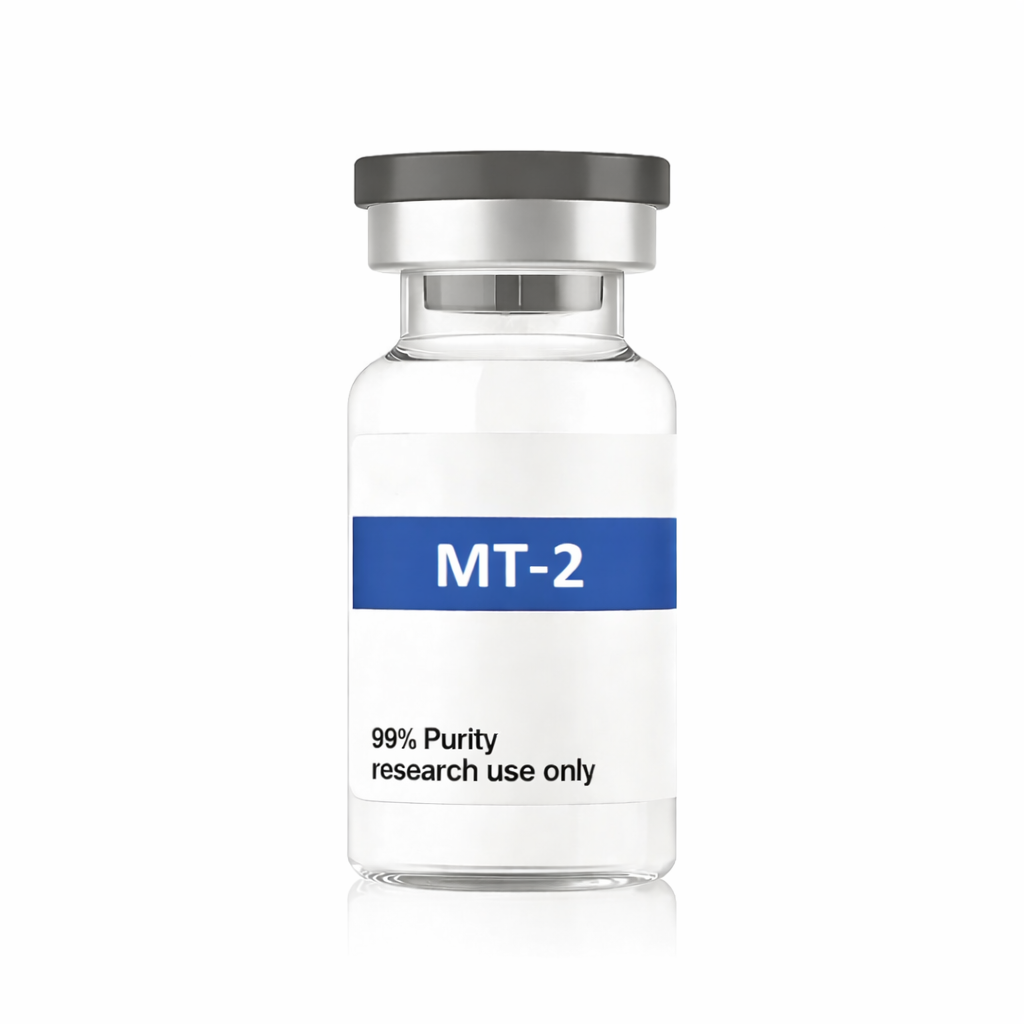
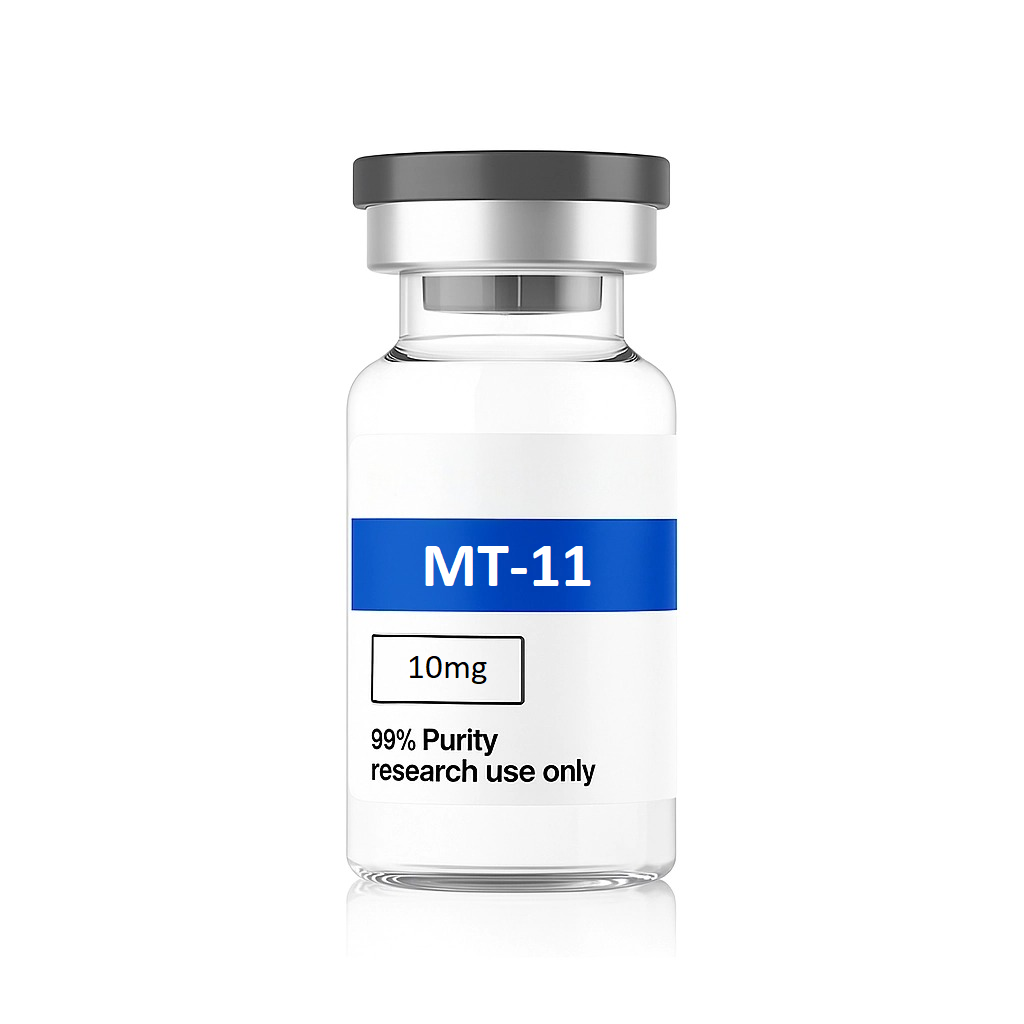
The MT-2 peptide, commonly referred to as Melanotan II, is a synthetic peptide that has gained attention in scientific and research communities due to its interaction with melanocortin receptors in the body. Originally developed for research purposes, MT-2 peptide continues to be studied for its unique biological activity and potential applications in controlled laboratory environments.
This page provides an informational overview of the MT-2 peptide, including how it works, its mechanism of action, and important considerations surrounding its research use.
What Is the MT-2 Peptide?
The mt-2 peptide is a synthetic analog of alpha-melanocyte-stimulating hormone (α-MSH), a naturally occurring peptide involved in pigmentation and other physiological processes. MT-2 is designed to bind to melanocortin receptors, particularly MC1R, which plays a role in melanin production.
Unlike naturally occurring peptides, MT-2 has been structurally modified to improve stability and receptor affinity, making it a compound of interest in peptide research.
How the MT-2 Peptide Works
The mt-2 peptide works by activating melanocortin receptors, which are involved in several biological pathways. In laboratory studies, this receptor activation has been linked to:
-
Increased melanin synthesis
-
Appetite regulation signaling
-
Interaction with central nervous system pathways
Because of these effects, MT-2 peptide is often examined in experimental and preclinical research settings to better understand melanocortin receptor behavior.
MT-2 Peptide in Research Settings
It’s important to note that the mt-2 peptide is not approved for human consumption and is typically sold for research use only. Scientists and researchers study MT-2 to explore:
-
Peptide–receptor binding mechanisms
-
Melanocortin system activity
-
Structure–function relationships in synthetic peptides
Reputable peptide suppliers clearly label MT-2 peptide as not intended for diagnostic, therapeutic, or human use.
MT-2 Peptide Structure and Stability
One reason the mt-2 peptide is widely discussed in peptide science is its cyclic structure, which helps protect it from rapid enzymatic breakdown. This structural stability makes it useful in controlled experiments where longer peptide activity is required.
Key characteristics include:
-
Cyclic peptide design
-
High receptor affinity
-
Improved resistance to degradation
Important Considerations
Anyone researching the mt-2 peptide should be aware of the following:
-
Regulatory status varies by country
-
Quality and purity depend on the supplier
-
Research should follow ethical and legal guidelines
This content is intended strictly for educational and informational purposes.
Final Thoughts on MT-2 Peptide
The mt-2 peptide remains a topic of interest within peptide research due to its interaction with the melanocortin system and its enhanced molecular stability. Ongoing studies continue to explore how synthetic peptides like MT-2 can help scientists better understand complex biological signaling pathways.
If you are exploring peptide research, it’s essential to source compounds responsibly and stay informed about current regulations.







Reviews
There are no reviews yet.