
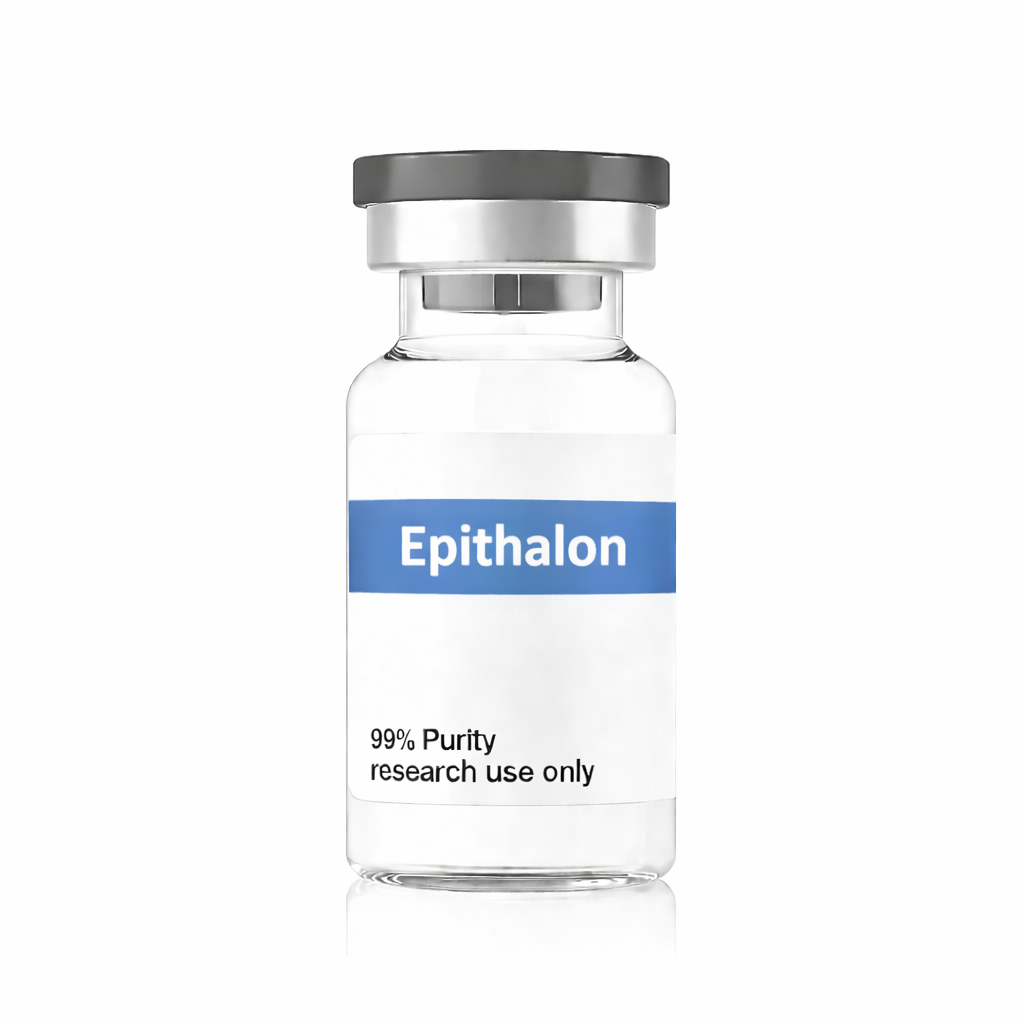
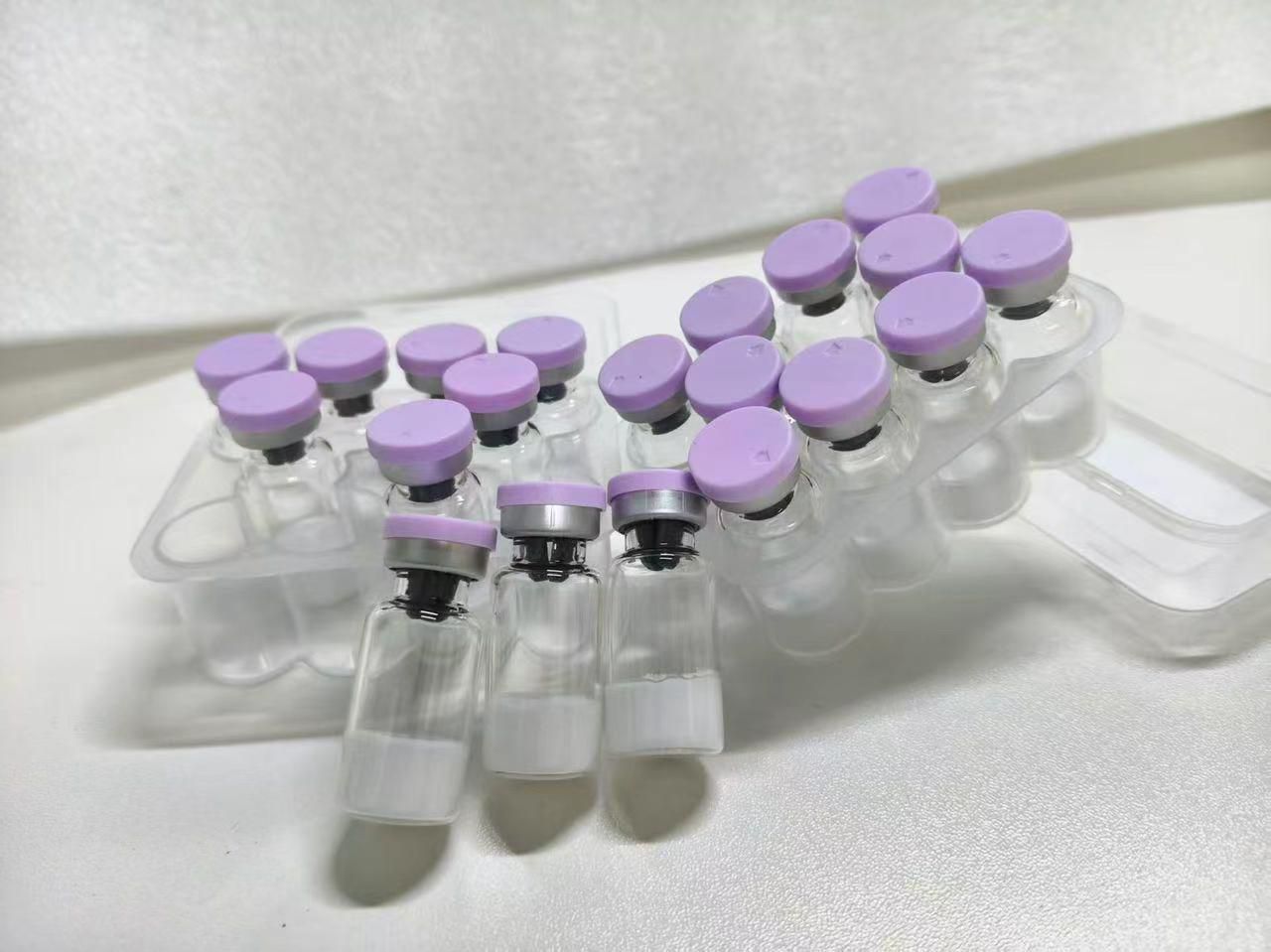
Description
What Is Epithalon?
Epithalon is a synthetic peptide derived from epithalamin, a naturally occurring compound associated with the pineal gland. It has gained attention in scientific and longevity communities for its potential role in cellular aging, telomere regulation, and circadian rhythm support.
it is primarily studied in laboratory and research settings and is commonly discussed in relation to anti-aging science, peptide therapy research, and cellular health optimization.
How Epithalon Works
it is believed to work at the cellular level by interacting with DNA and influencing telomerase activity. Telomerase is an enzyme responsible for maintaining telomeres — the protective caps at the ends of chromosomes that naturally shorten as cells divide.
By supporting telomere stability, epithalon is researched for its potential role in:
-
Cellular lifespan regulation
-
DNA protection
-
Age-related cellular decline
-
Pineal gland signaling
In addition, epithalon is often associated with circadian rhythm regulation due to its link with melatonin production pathways.
Potential Benefits of Epithalon
While research is ongoing and largely experimental,it is commonly studied for the following potential benefits:
-
Support for healthy aging processes
-
Telomere length maintenance
-
Cellular regeneration research
-
Circadian rhythm balance
-
Pineal gland function support
-
Antioxidant activity in cells
It is important to note that it is not approved as a medical treatment and is primarily used for research purposes.
Epithalon Dosage Overview (Research Context)
In scientific literature and research discussions, epithalon dosage protocols vary widely depending on study design and delivery method.
Common research formats reference:
-
Short peptide cycles
-
Low microgram dosing
-
Periodic administration rather than continuous use
Always note: dosage information discussed online is for educational and research reference only and not medical advice.
Epithalon Safety and Side Effects
it is generally described in research settings as having a favorable safety profile when studied under controlled conditions. However, human clinical data remains limited.
Potential considerations include:
-
Lack of large-scale human trials
-
Unknown long-term effects
-
Variation in peptide purity and sourcing
Anyone researching epithalon should prioritize quality control, verified sourcing, and professional guidance.
Epithalon vs Other Peptides
it is often compared to other peptides studied for longevity and cellular health, such as:
-
Peptides targeting growth hormone pathways
-
Mitochondrial support peptides
-
DNA repair research compounds
What makes epithalon unique is its direct association with telomere research, which sets it apart from peptides focused solely on metabolic or hormonal pathways.
Current Research on Epithalon
Scientific interest in epithalon originates largely from longevity research conducted in Europe and Russia. Studies have explored its effects on cellular lifespan, gene expression, and age-related biological markers.
While early findings are intriguing, epithalon remains an experimental compound, and further peer-reviewed human studies are needed to confirm long-term outcomes.
Is Epithalon Legal?
The legal status of epithalon varies by country. In many regions, it is classified as a research peptide and is not approved for medical use or dietary supplementation.
Before purchasing or researching epithalon, it’s essential to understand local regulations and intended use classifications.
Reviews
There are no reviews yet.