
Description
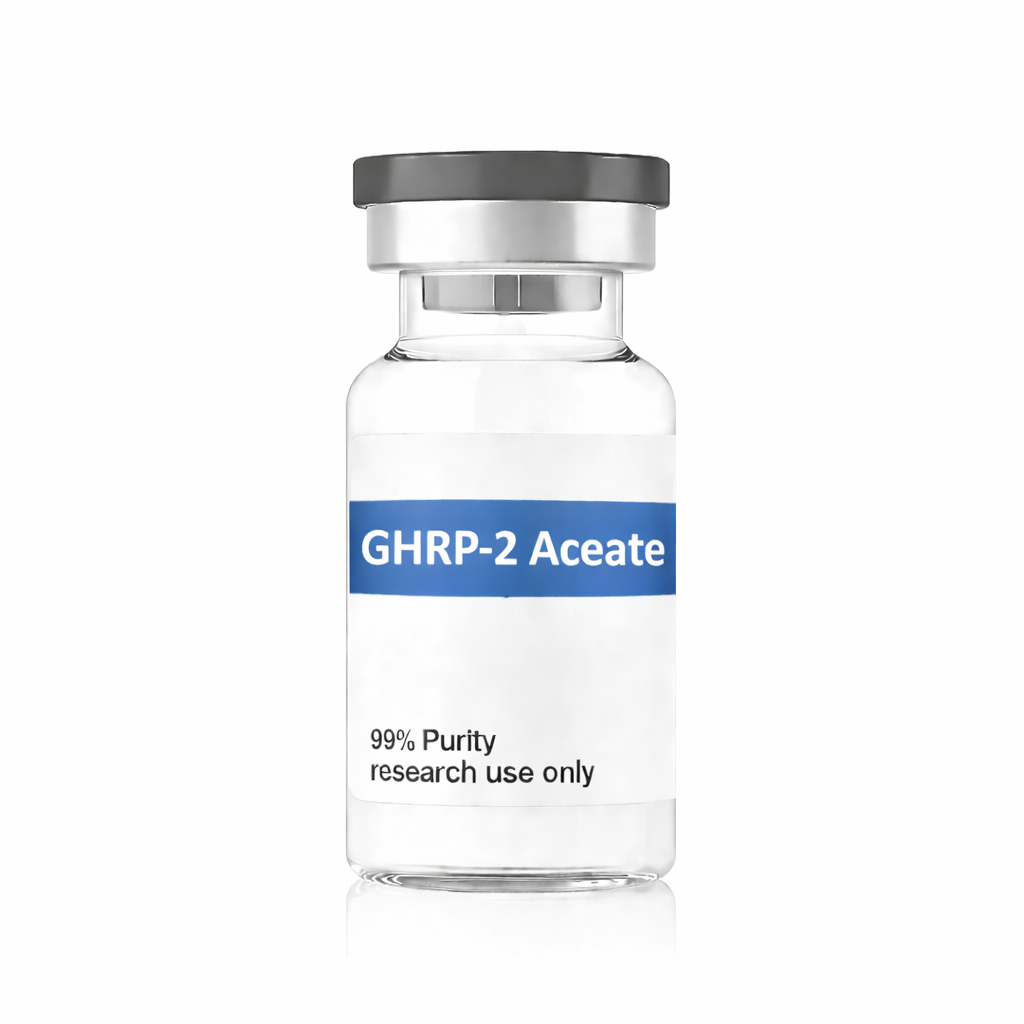
GHRP-2: A Comprehensive Research Overview
GHRP-2, short for Growth Hormone Releasing Peptide-2, is a synthetic peptide that belongs to a class of compounds known as growth hormone secretagogues (GHS). It has been widely referenced in scientific literature for its role in stimulating the release of growth hormone through well-defined biological pathways.
This page provides a neutral, research-focused overview of GHRP-2, including how it works, its biochemical characteristics, and why it continues to be studied in peptide research environments.
What Is GHRP-2?
GHRP-2 is a hexapeptide originally developed for research into growth hormone signaling. Unlike growth hormone itself, GHRP-2 does not contain GH; instead, it interacts with specific receptors involved in the body’s natural hormone-release processes.
GHRP-2 is classified as
-
A synthetic peptide
-
A ghrelin receptor agonist
-
A growth hormone secretagogue
How GHRP-2 Works
GHRP-2 primarily interacts with the growth hormone secretagogue receptor (GHS-R), also referred to as the ghrelin receptor. When this receptor is activated, it signals the pituitary gland to release endogenous growth hormone.
Key characteristics of its mechanism:
-
Acts independently of GHRH pathways
-
Mimics ghrelin activity at the receptor level
-
Demonstrates synergistic behavior in research models
GHRP-2 in Research Settings
In laboratory and academic research contexts, GHRP-2 has been explored for its role in:
-
Growth hormone signaling pathways
-
Endocrine system feedback mechanisms
-
Peptide-receptor binding behavior
-
Comparative studies with other GHRP compounds
Its relatively small molecular structure and receptor specificity make it a useful reference compound in peptide research.
GHRP-2 vs Other GHRP Peptides
Common points of comparison include:
-
Receptor affinity
-
Signal strength in vitro
-
Duration of action in research models
Chemical Characteristics of GHRP-2
-
Peptide class: Hexapeptide
-
Structure: Synthetic, non-naturally occurring
-
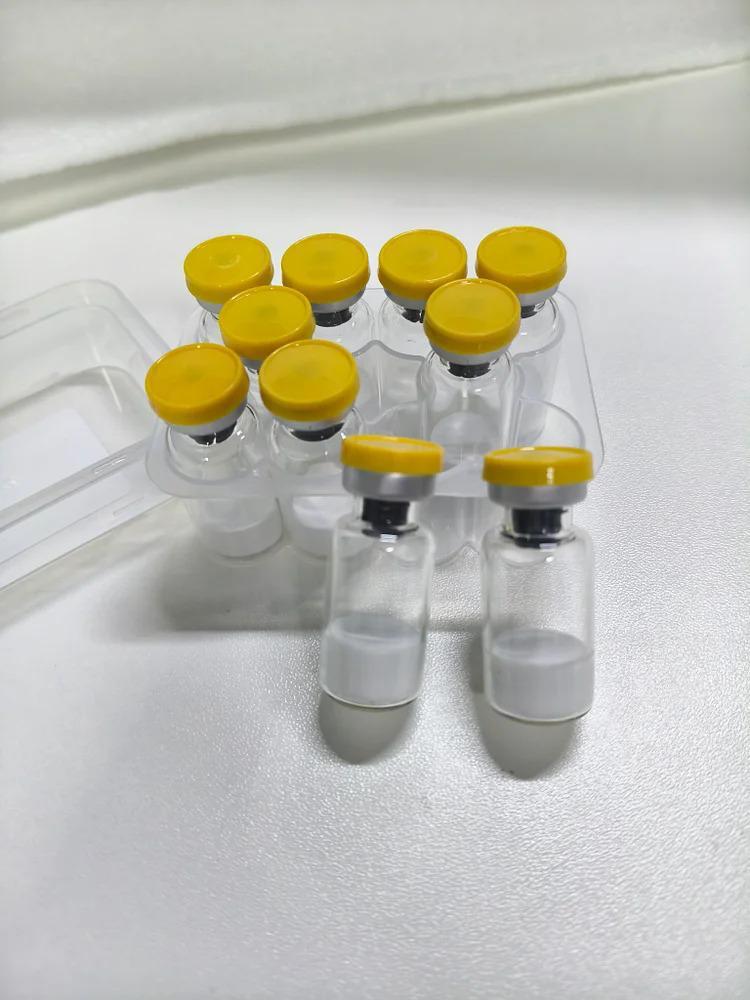
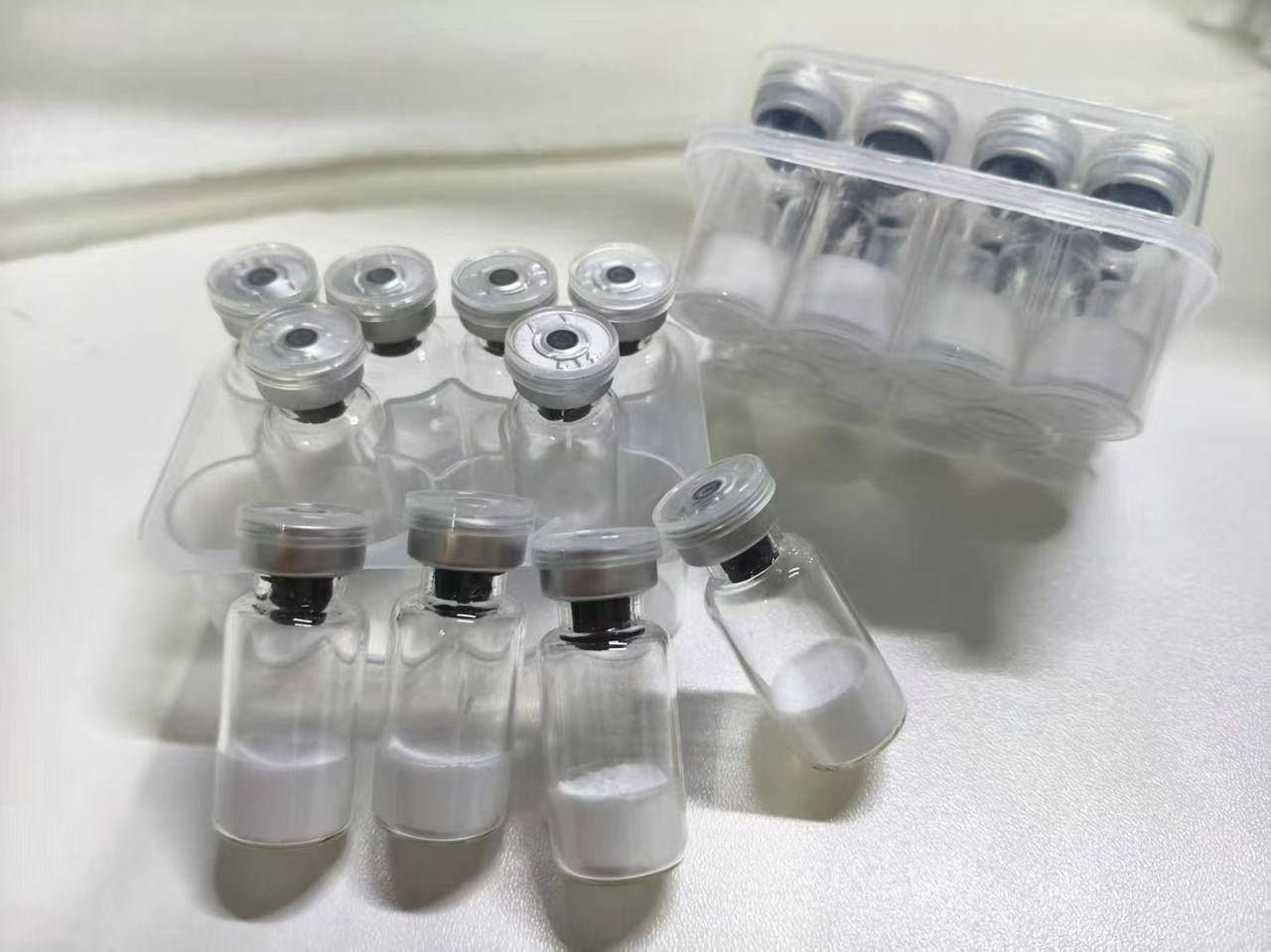
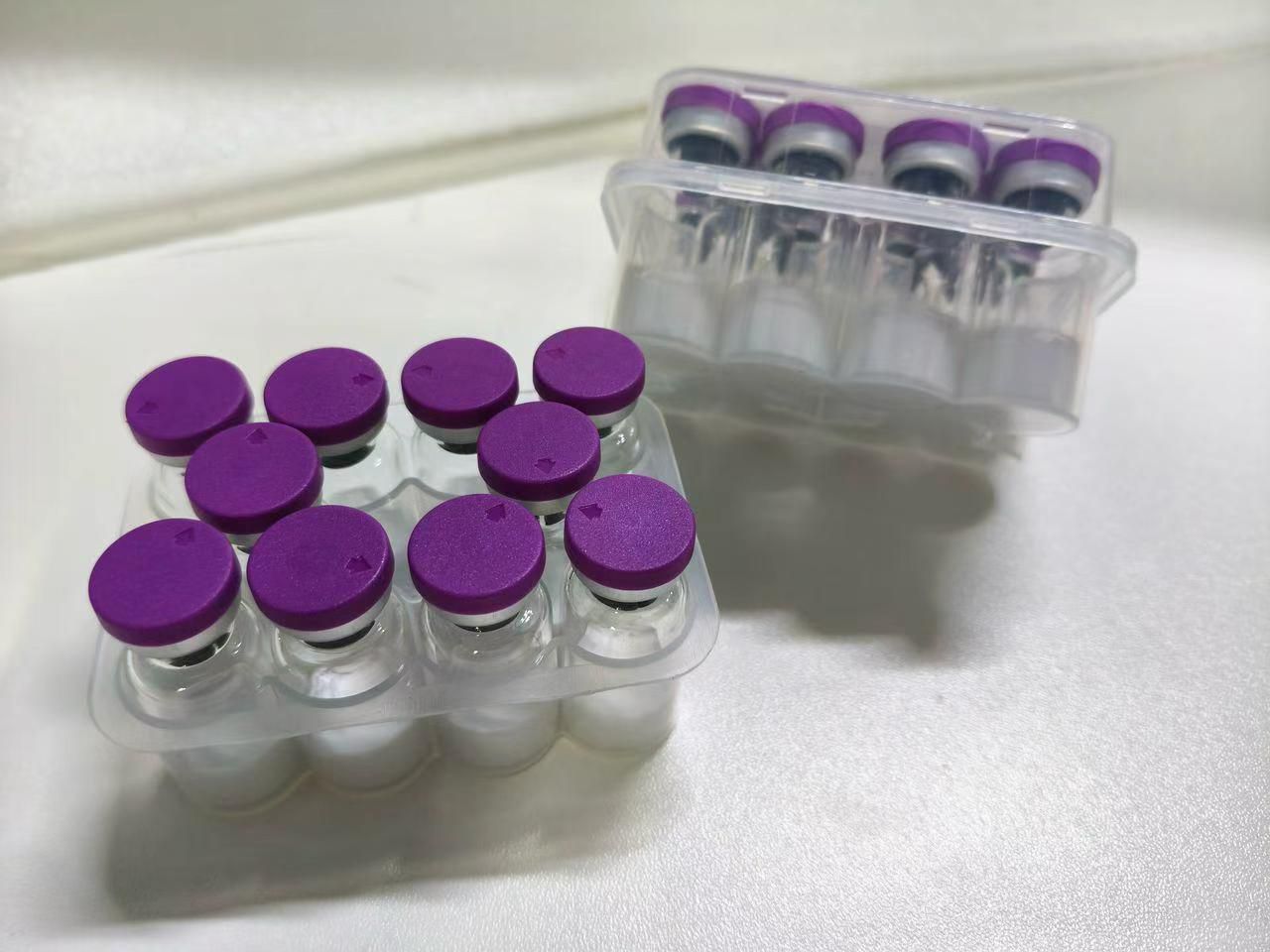
Stability: Commonly supplied in lyophilized form for research use
-
Solubility: Water-soluble under laboratory conditions
These properties contribute to its continued use in controlled research environments.
Why GHRP-2 Continues to Be Studied
-
Its well-documented receptor interaction
-
Clear mechanism of action
-
Relevance to hormone signaling research
-
Value as a comparative peptide in GH studies
As peptide science advances, compounds like GHRP-2 remain important tools for understanding complex endocrine pathways.
Reviews
There are no reviews yet.