
Description
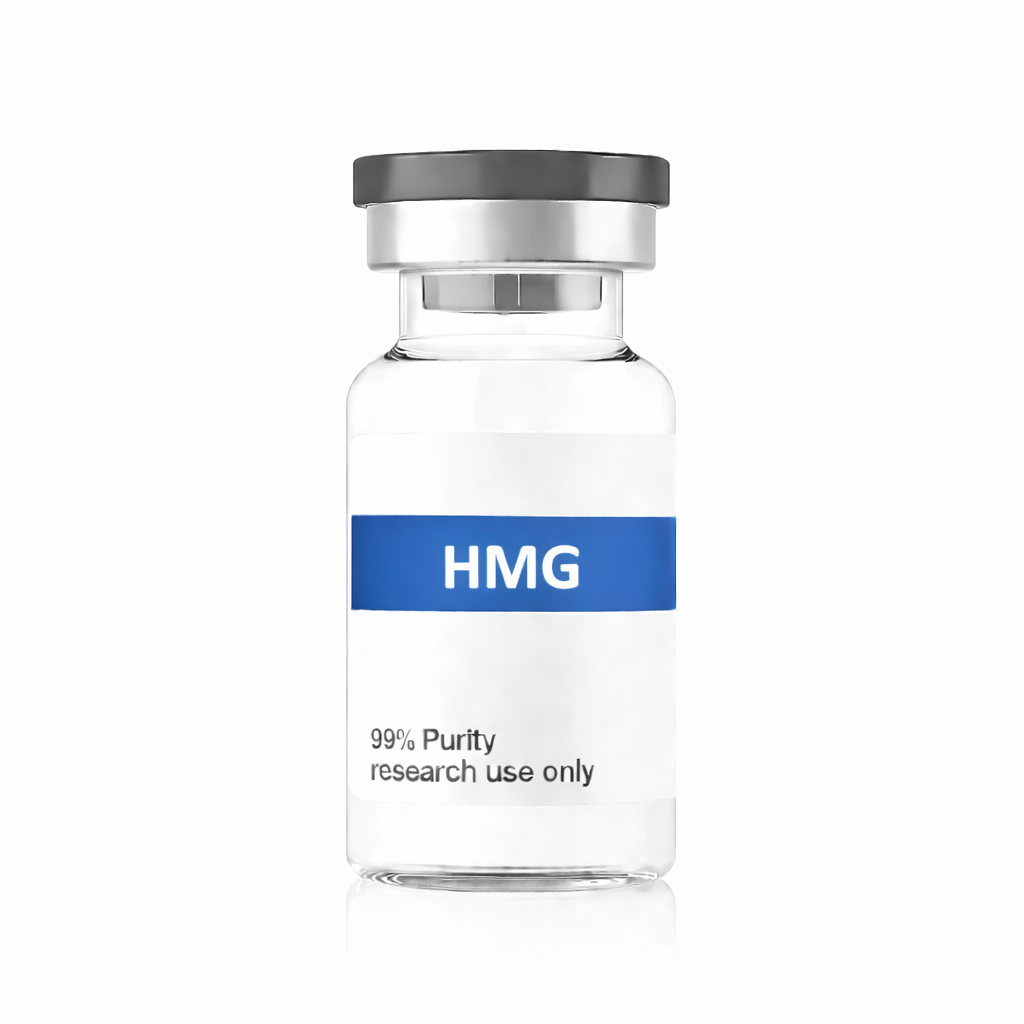
HMG Peptide – Overview, Research, and Key Information
HMG peptide, short for Human Menopausal Gonadotropin, is a biologically active peptide compound that has gained attention in scientific and research communities for its role in hormonal signaling pathways. Commonly studied in reproductive and endocrine research, HMG peptide contains a combination of follicle-stimulating hormone (FSH) and luteinizing hormone (LH) activity.
This page provides a clear, research-based overview of HMG peptide, including how it works, its potential applications, and what current studies suggest.
What Is HMG Peptide?
HMG peptide is a purified gonadotropin compound originally derived for clinical and research use. It is composed of two key hormonal components:
-
Follicle-Stimulating Hormone (FSH)
-
Luteinizing Hormone (LH)
These hormones play a critical role in regulating reproductive and endocrine processes. Today, HMG peptide is primarily discussed in scientific literature and laboratory research contexts.
How Does HMG Peptide Work?
HMG peptide works by interacting with hormone receptors involved in reproductive signaling. Through its FSH and LH activity, it influences processes related to:
-
Gonadal hormone production
-
Cellular signaling in reproductive tissues
-
Endocrine system regulation
Researchers study HMG peptide to better understand hormone balance, fertility mechanisms, and pituitary-gonadal interactions.
Potential Benefits of HMG Peptide (Research-Based)
While not approved for recreational or cosmetic use, research suggests HMG peptide may be studied for:
-
Supporting follicular development in research models
-
Investigating hormone regulation pathways
-
Studying reproductive endocrinology
-
Comparing gonadotropin responses alongside compounds like HCG
⚠️ Note: Any potential benefits discussed are for educational and research purposes only.
HMG Peptide vs HCG
HMG peptide is often compared with HCG due to their overlapping roles in hormonal research.
| Feature | HMG Peptide | HCG |
|---|---|---|
| Hormones | FSH + LH | LH-like |
| Research Focus | Follicular & endocrine studies | Testosterone & LH response |
| Mechanism | Dual gonadotropin signaling | Single hormone mimic |
This distinction makes HMG peptide particularly valuable in broader reproductive research contexts.
Current Research on HMG Peptide
Scientific studies continue to explore HMG peptide’s role in:
-
Hormone response modulation
-
Endocrine signaling efficiency
-
Reproductive system modeling
Ongoing research aims to refine purity, dosing consistency, and biological response measurement under controlled conditions.
Quality, Purity, and Research Standards
High-quality HMG peptide products used in research settings are typically:
-
Laboratory tested
-
Manufactured under strict quality controls
-
Labeled for research use only
-
Accompanied by certificates of analysis (COA)
Frequently Asked Questions About HMG Peptide
Is HMG peptide the same as HCG?
No. HMG peptide contains both FSH and LH, while HCG mimics only LH activity.
What is HMG peptide used for?
It is primarily studied in hormone and reproductive research.
Is HMG peptide safe?
Safety depends on controlled research environments and proper handling protocols.
Final Thoughts on HMG Peptide
HMG peptide remains an important compound in hormone-related research due to its dual gonadotropin activity. As interest grows, high-quality, transparent, and educational resources are essential for understanding its role and limitations.
Reviews
There are no reviews yet.