

Description
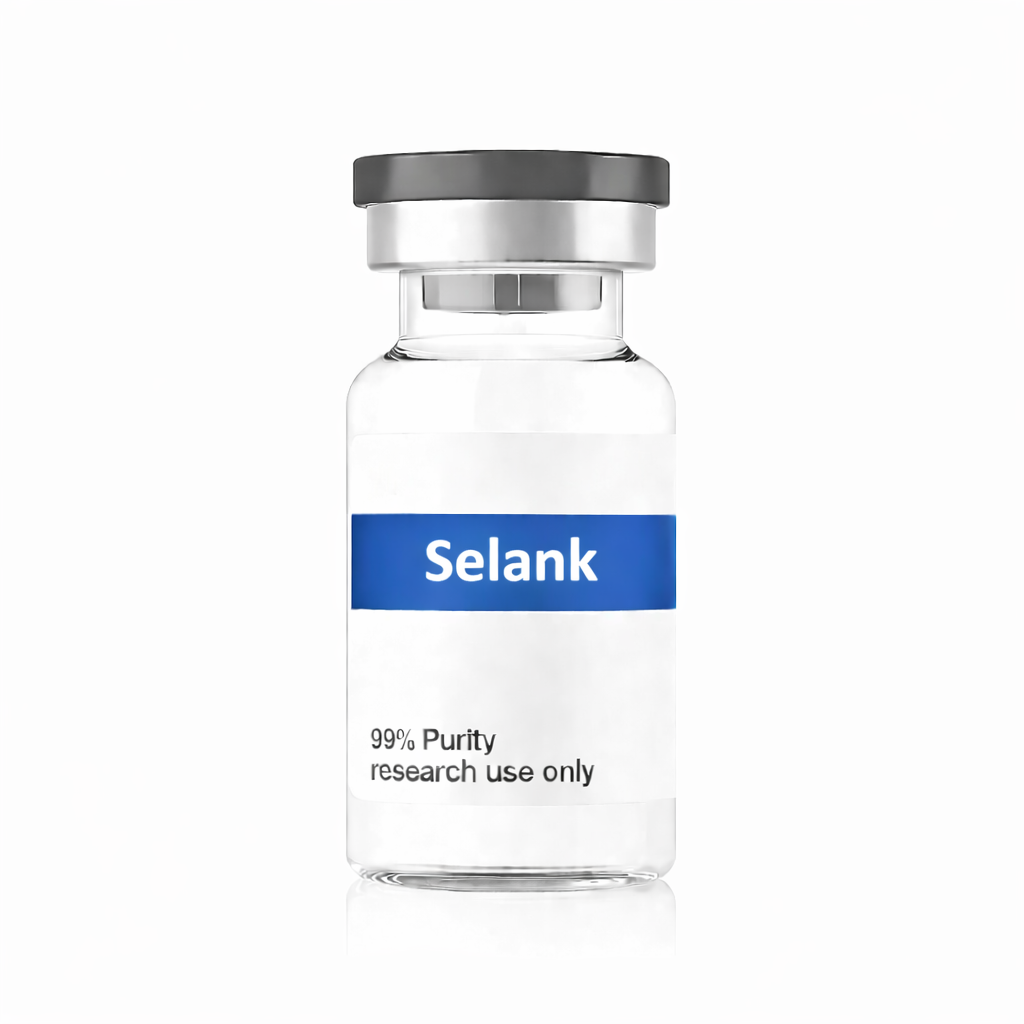
Selank Peptide: Complete Research-Based Guide
What Is Selank Peptide?
Selank peptide is a synthetic heptapeptide originally developed through neuroscience research. It is structurally derived from a naturally occurring immune system peptide and has been studied for its interaction with neurological pathways related to mood regulation, stress response, and cognitive function.
It is commonly categorized within research peptides and nootropic-related compounds. It is not approved as a pharmaceutical drug in many regions, but it remains a subject of ongoing scientific interest.
How Selank Peptide Works
Research suggests that Selank peptide interacts with the brain’s neuropeptide and neurotransmitter systems, particularly those involved in:
-
Stress modulation
-
Emotional balance
-
Cognitive processing
-
Neurochemical signaling
Unlike stimulant-based compounds, it does not appear to act through direct stimulation, which is why it is frequently discussed in research contexts involving non-sedating neuroactive compounds.
Potential Research Areas of Selank Peptide
Scientific studies have explored Selank peptide in relation to:
-
Stress-related behavioral models
-
Anxiety-associated neurological markers
-
Cognitive performance pathways
-
Neuroprotective mechanisms
-
Peptide-based modulation of neurotransmitters
These research areas are why it is often discussed within neuroscience and peptide research communities.
Selank Peptide vs Traditional Nootropics
| Feature | Selank Peptide | Traditional Nootropics |
|---|---|---|
| Stimulant-based | No | Often |
| Synthetic peptide | Yes | Usually no |
| Research focus | Neuroregulation | Cognitive stimulation |
| Tolerance concerns | Low (research-based) | Moderate–High |
This distinction is one reason it has attracted attention in advanced research circles.
Forms
it is commonly found in research settings as:
-
Nasal spray (intranasal research format)
-
Lyophilized powder (laboratory use)
The intranasal route is often studied due to its potential interaction with neurological pathways, though availability varies by region and supplier.
Safety & Research Status
-
it is considered well-tolerated in research settings
-
Non-toxic profile observed in multiple studies
-
No known addictive properties reported in published research
-
Long-term human data remains limited
Always emphasize that it is intended for research purposes only, depending on your jurisdiction.



Reviews
There are no reviews yet.