

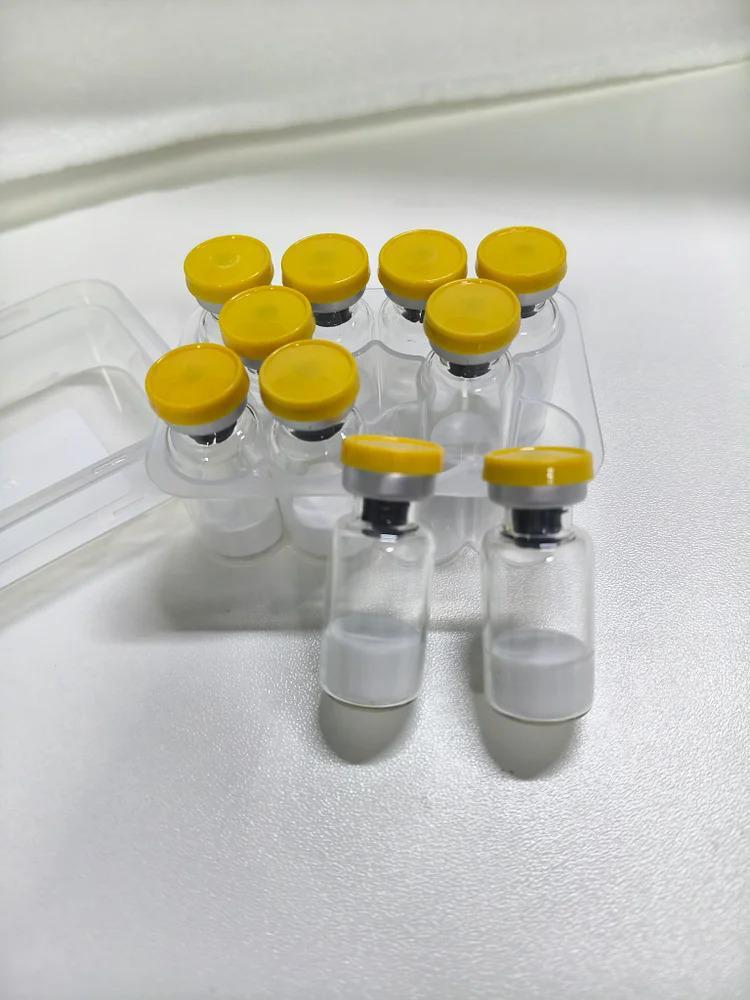
Description
SS-31 Peptide: A Mitochondria-Targeted Research Peptide
SS-31 peptide is a synthetic tetrapeptide widely studied in scientific research for its unique ability to selectively target mitochondria. Unlike many peptides that act broadly throughout the body, SS-31 is designed to interact directly with mitochondrial membranes, making it a subject of growing interest in cellular and bioenergetics research.
Researchers continue to explore it for its role in mitochondrial structure, energy efficiency, and protection against oxidative stress at the cellular level.
What Is SS-31 Peptide?
SS-31 peptide, also known in scientific literature as Elamipretide, is a short peptide composed of four amino acids. Its structure allows it to penetrate cell membranes and accumulate within mitochondria, where it binds to cardiolipin—a phospholipid essential for mitochondrial integrity and function.
This targeted mechanism is what differentiates it from many other research peptides.


The defining feature of SS-31 peptide is its affinity for cardiolipin in the inner mitochondrial membrane. By binding to cardiolipin, it is studied for its potential to:
-
Support mitochondrial membrane stability
-
Improve efficiency of electron transport
-
Reduce excess reactive oxygen species (ROS)
-
Maintain mitochondrial structural integrity
Because mitochondria are responsible for cellular energy production, they have become a valuable tool in mitochondrial research models.
SS-31 Peptide and Mitochondrial Research
Mitochondrial dysfunction is a common focus in aging, metabolic, and cellular stress research. It is frequently examined in laboratory settings to better understand how mitochondrial protection and efficiency influence overall cellular performance.
Researchers are particularly interested in it due to:
-
Its high mitochondrial selectivity
-
Its stability compared to longer peptides
-
Its role in cellular bioenergetics studies
Potential Research Applications of SS-31 Peptide
it is intended for research purposes only and is not approved for human consumption.
In preclinical and laboratory research, SS-31 peptide is studied in relation to:
-
Mitochondrial oxidative stress models
-
Cellular aging pathways
-
Muscle and tissue energy metabolism
-
Cardiac and skeletal muscle research
-
Neurocellular mitochondrial integrity
Its targeted action makes it particularly useful in experiments where mitochondrial health is a primary variable.
Why SS-31 Peptide Is Unique Among Research Peptides
Compared to general antioxidant compounds, SS-31 peptide does not scavenge free radicals directly. Instead, it is researched for its ability to optimize mitochondrial efficiency at the source—the inner membrane—which may indirectly reduce oxidative stress.
This mitochondria-first approach is what places it in a distinct category within peptide research.
Storage and Stability (Research Use)
For laboratory applications, it is typically stored:
-
Lyophilized and protected from light
-
At low temperatures for long-term stability
-
Reconstituted using sterile research-grade solvents
Proper handling ensures consistency and reliability in experimental settings.
Final Thoughts
It continues to attract attention in scientific research due to its targeted mitochondrial mechanism and its role in cellular energy studies. As interest in mitochondrial health expands, it remains a key compound for researchers exploring the foundations of cellular performance and efficiency.



Reviews
There are no reviews yet.