
Description
Survodutide: A Breakthrough Treatment for Obesity and Metabolic Disease
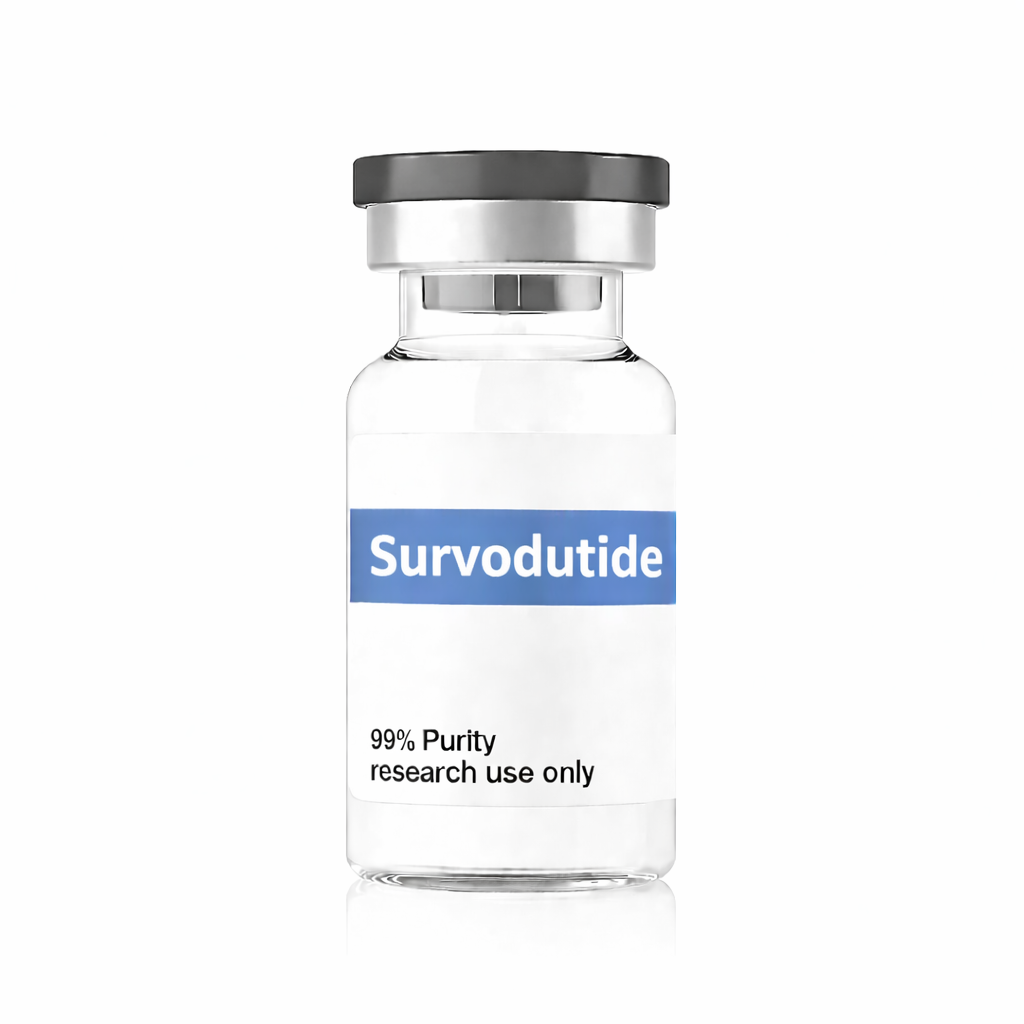
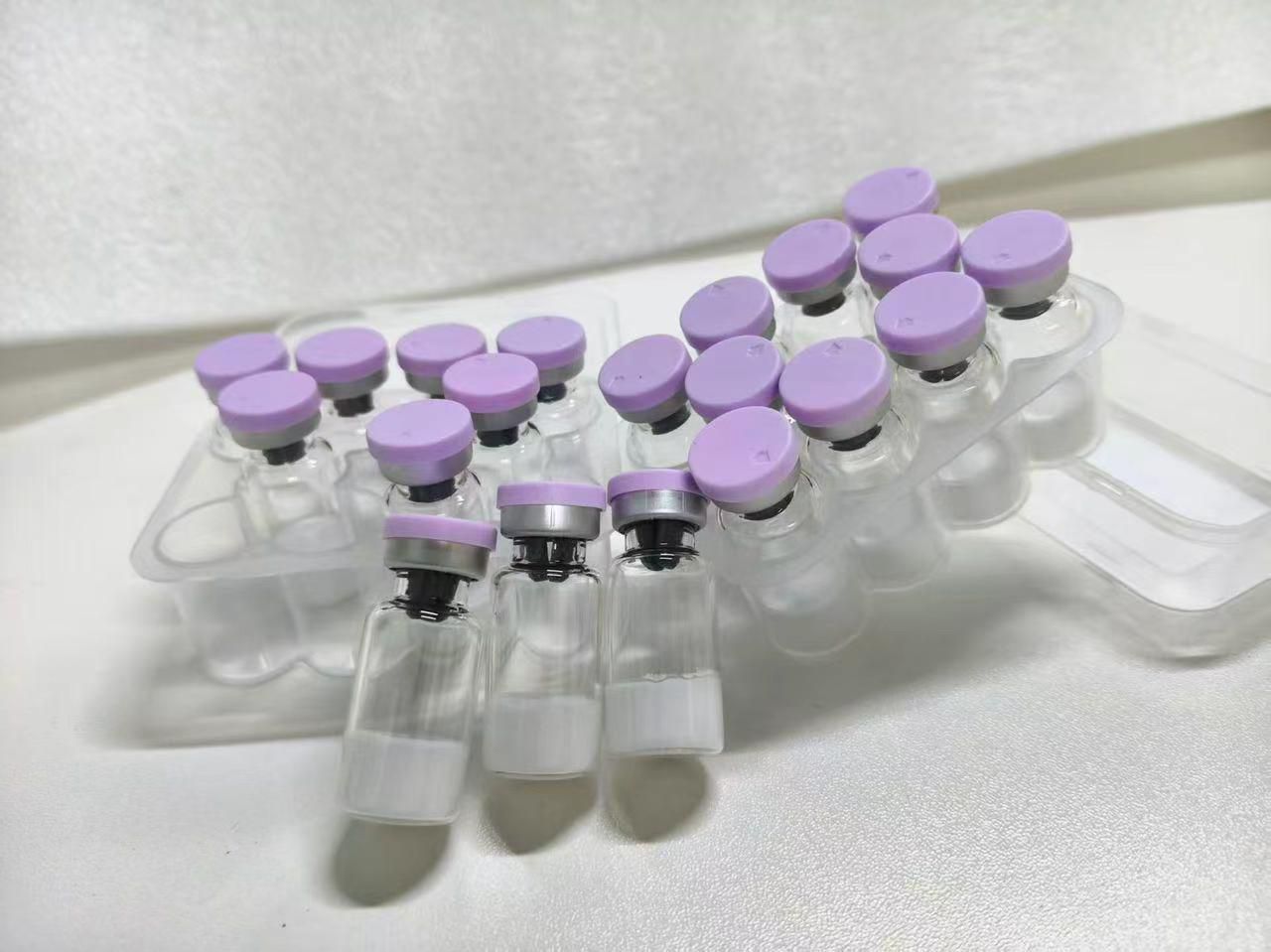
Survodutide is an investigational dual-agonist peptide therapy that is gaining significant attention for its potential role in the treatment of obesity, metabolic disorders, and non-alcoholic steatohepatitis (NASH). Developed to target multiple metabolic pathways, survodutide represents a new generation of weight-loss and metabolic health medications.
What Is Survodutide?
Survodutide is a GLP-1 and glucagon receptor dual agonist designed to regulate appetite, improve insulin sensitivity, and increase energy expenditure. Unlike single-pathway treatments, survodutide works by activating two complementary hormonal receptors involved in metabolism.
This dual mechanism is believed to offer enhanced weight-loss benefits compared to traditional GLP-1-only therapies.
How Survodutide Works
Survodutide acts on:
-
GLP-1 receptors, which help reduce appetite and slow gastric emptying
-
Glucagon receptors, which increase fat metabolism and energy usage
By combining these effects, survodutide may promote:
-
Significant weight reduction
-
Improved blood sugar control
-
Reduced liver fat accumulation
Survodutide for Weight Loss
Early clinical trial data suggests that survodutide may lead to substantial and sustained weight loss in individuals with obesity. Participants receiving survodutide have shown:
-
Decreased appetite and calorie intake
-
Improved metabolic markers
-
Reduced body fat percentage
These results position survodutide as a promising candidate in the rapidly growing obesity treatment market.
Survodutide and NASH Treatment
Non-alcoholic steatohepatitis (NASH) is a serious liver condition with limited treatment options. its ability to reduce liver fat and improve insulin resistance makes it a potential therapy for patients with NASH and related metabolic diseases.
Clinical studies are ongoing to evaluate its long-term safety and effectiveness in liver health.
Clinical Trials and Research
it is currently undergoing advanced clinical trials to assess:
-
Weight-loss efficacy
-
Metabolic improvements
-
Safety and tolerability
Researchers are particularly interested in its dual-agonist approach, which may outperform existing therapies in both obesity and metabolic disease management.
Safety and Side Effects
As with many metabolic therapies, reported side effects in trials have included:
-
Nausea
-
Vomiting
-
Gastrointestinal discomfort
These effects are generally mild to moderate and consistent with other GLP-1-based treatments. Long-term safety data is still being collected.
Future Outlook for Survodutide
If approved, it could become a next-generation metabolic treatment, offering new hope for individuals struggling with obesity and liver disease. Its dual-receptor design may set a new standard for future weight-loss medications.

Reviews
There are no reviews yet.