
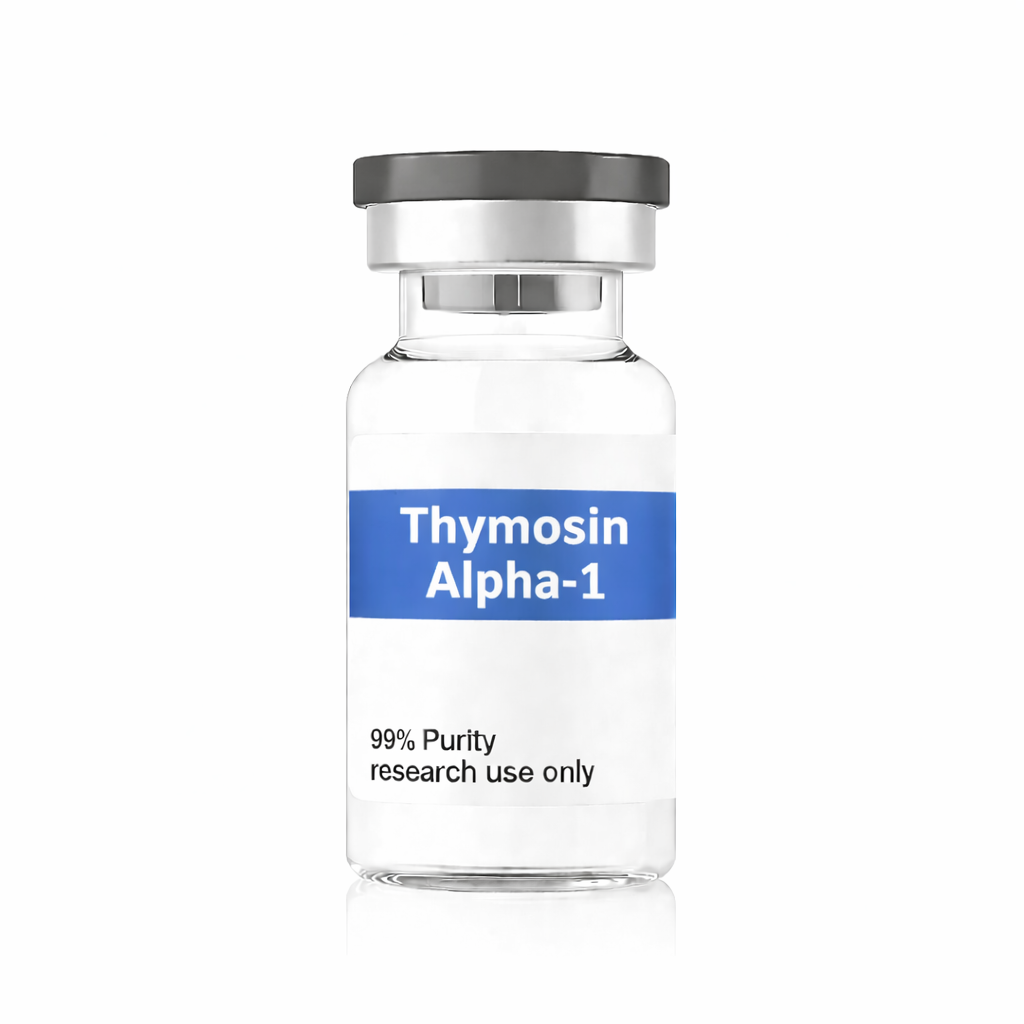
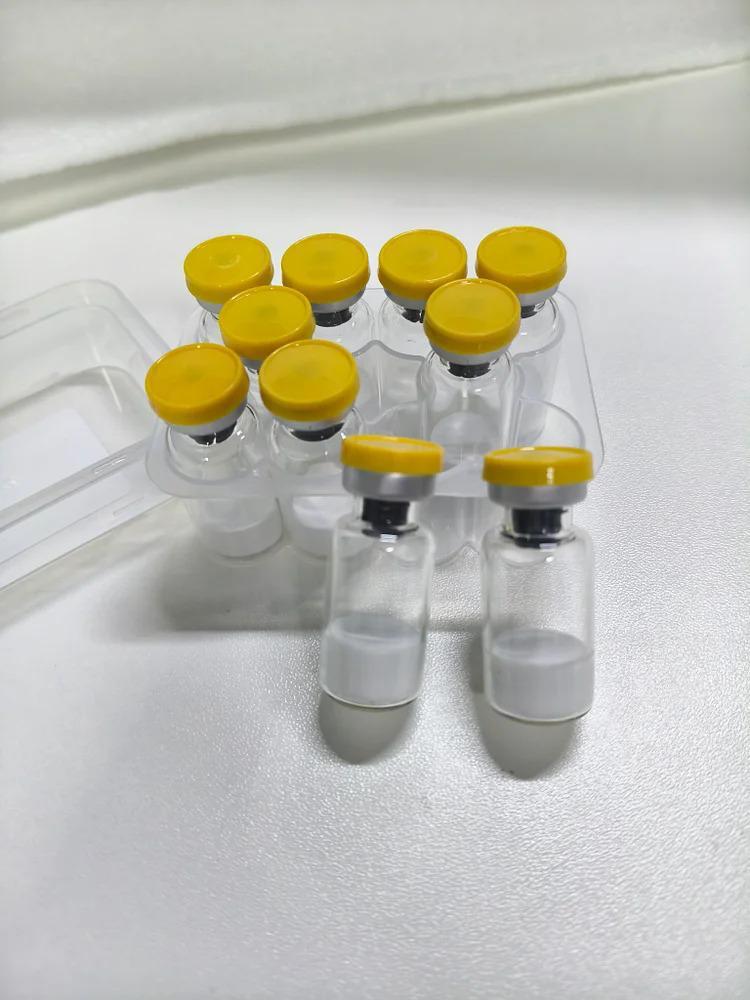
Description
What Is Thymosin Alpha 1?
Thymosin alpha 1 is a naturally occurring peptide composed of 28 amino acids and originally isolated from the thymus gland. It plays a key role in immune system regulation, particularly in supporting the development and function of T-cells.
Unlike many immune-related compounds, thymosin alpha 1 does not stimulate the immune system indiscriminately. Instead, it is widely studied for its immune-modulating properties, meaning it helps the immune system respond more effectively and appropriately.
How Thymosin Alpha Works
Thymosin alpha interacts with the immune system at a cellular level. Research indicates that it:
-
Supports T-cell maturation and differentiation
-
Enhances communication between immune cells
-
Helps regulate cytokine production
-
Supports innate and adaptive immune responses
This balancing effect is why thymosin alpha is often described as an immune modulator rather than an immune stimulant.
Potential Benefits of Thymosin Alpha
Note: The following benefits are based on scientific research and clinical investigation. Thymosin alpha is not intended to diagnose, treat, cure, or prevent disease.
1. Immune System Support
Thymosin alpha is best known for supporting immune resilience, especially in situations where immune function may be compromised or under stress.
2. Immune Modulation
Rather than overstimulating immunity, thymosin alpha helps regulate immune responses, which is critical for maintaining immune balance.
3. Support During Immune Challenges
Scientific studies have explored thymosin alpha in various immune-related contexts due to its role in immune coordination and cellular signaling.
4. Research Interest in Healthy Aging
Because immune function naturally changes with age, thymosin alpha 1 has gained interest in longevity and healthy aging research.
Thymosin Alpha 1 and Scientific Research
Thymosin alpha has been the subject of decades of research, including laboratory studies and clinical investigations worldwide. Scientists continue to explore its role in:
-
Immune system signaling
-
T-cell activation pathways
-
Interaction with toll-like receptors (TLRs)
-
Supporting immune response consistency
Its strong research background sets thymosin alpha apart from many other peptides.
Why Thymosin Alpha 1 Is Unique
What makes thymosin alpha stand out is its:
-
Naturally occurring origin
-
Extensive clinical research history
-
Immune-modulating (not overstimulating) action
-
Broad interest across immunology research fields
This combination has positioned thymosin alpha as one of the most widely studied thymic peptides.
Frequently Asked Questions (FAQ)
What is thymosin alpha used for?
Thymosin alpha is primarily studied for its role in immune system regulation and immune response support. Its applications are research-based and vary depending on context.
Is thymosin alpha 1 a peptide?
Yes, it is a peptide made up of 28 amino acids and is classified as a thymic peptide.
How does thymosin alpha 1 affect the immune system?
It helps regulate immune responses by supporting T-cell function and improving communication between immune cells.
Is thymosin alpha 1 naturally occurring?
Yes, It naturally occurs in the human body and is produced by the thymus gland.
Is thymosin alpha well researched?
Yes. it has been studied for several decades and is supported by a significant body of scientific literature.
Reviews
There are no reviews yet.